Best exterior lighting for gardens: A comprehensive structural and operational evaluation
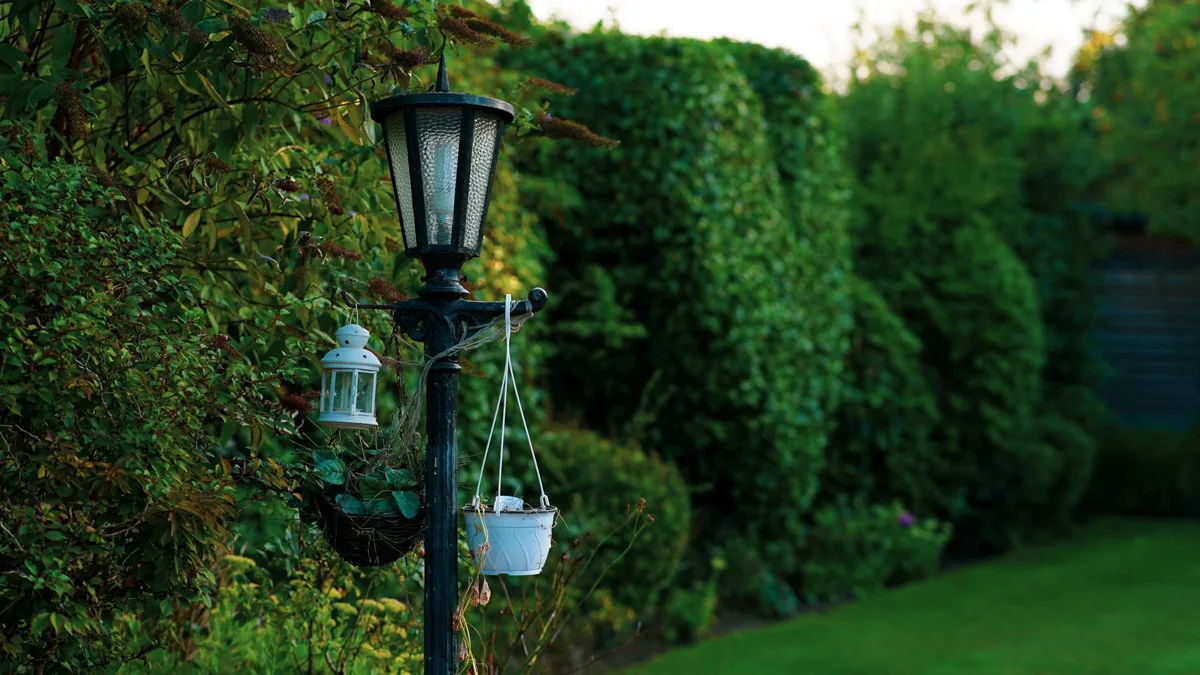
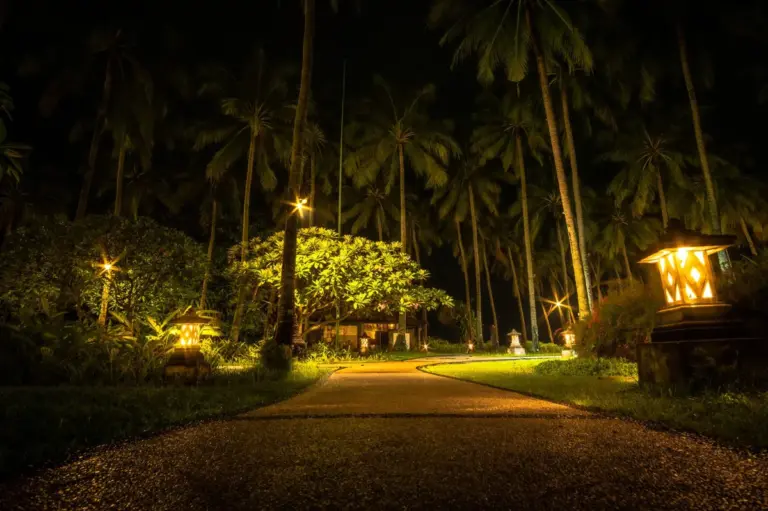
Modern outdoor spaces demand sophisticated architectural integration that extends far beyond simple illumination. Landscapes shift from diurnal living environments to nocturnal spatial experiences, requiring careful modulation of shadow, color temperature, and beam dispersion. Best exterior lighting for gardens. When property owners evaluate garden illumination, they often focus on superficial fixture aesthetics rather than systemic performance, electrical safety, and ecological harmony.
Navigating this domain involves balancing luminous efficiency with subtle design principles that respect local wildlife and dark-sky initiatives. Every garden possesses distinct topography, vegetative density, and microclimates that influence how light behaves after dusk. Consequently, a successful installation relies on a deep understanding of photometric data, voltage drop across long wire runs, and luminaire durability under harsh weather cycles.
This guide provides an exhaustive analysis of the structural, technical, and operational considerations necessary for designing resilient outdoor illumination systems. By examining core methodologies, hardware variations, and maintenance paradigms, property owners can achieve functional clarity and aesthetic balance without compromising long-term environmental integrity.
Understanding “best exterior lighting for gardens”
Evaluating the best exterior lighting for gardens demands a shift away from consumer product marketing and toward spatial design principles. Landscapes are dynamic organic ecosystems rather than static interior rooms, meaning illumination must adapt to seasonal foliage changes, growth rates, and weathering. Many property owners commit the error of treating garden fixtures like indoor wall sconces, applying high-output floods that wash out natural textures and create harsh glare.
True architectural quality in outdoor illumination emerges from restraint and selective emphasis. Instead of flooding an entire yard with uniform brightness, an effective layout layers different light sources to create depth, dimension, and safe navigation pathways. This involves calculating lumens per square foot, understanding color rendering indices for natural plant health visualization, and positioning fixtures to conceal light sources while highlighting structural elements like mature trees or stone walls.
Oversimplification remains a primary risk in landscape planning. Relying on solar-powered plastic stakes or generic kit lighting often results in premature hardware failure, inadequate light output during overcast seasons, and disjointed visual aesthetics. Achieving a professional standard requires evaluating low-voltage transformer capacity, wire gauge thickness, waterproof connector integrity, and thermal management within sealed fixture housings.
Deep Contextual Background
Historically, landscape illumination relied on high-voltage incandescent and halogen systems that consumed substantial electricity and generated excessive heat. These older setups required rigid conduit burying and heavy-duty switching gear, limiting flexibility and driving up installation costs. The widespread adoption of solid-state lighting and light-emitting diode technology fundamentally transformed how designers approach outdoor spaces.
Modern engineering allows fixtures to operate safely at twelve or twenty-four volts through low-voltage transformers, drastically reducing shock hazards and simplifying burial requirements. Simultaneously, advancements in driver efficiency and thermal dissipation have extended luminaire lifespans well beyond fifty thousand operating hours. These technological shifts enabled precise beam control, dimming protocols, and integration with smart home automation networks.
Despite these hardware improvements, systemic challenges persist regarding light pollution and ecological disruption. Excessive blue-spectrum lighting disrupts nocturnal pollinators, alters avian migration patterns, and degrades human circadian rhythms. Contemporary landscape design must therefore incorporate warm color temperatures and shielded optics to mitigate environmental impact while fulfilling aesthetic and safety objectives.
Conceptual Frameworks and Mental Models
The Layered Illumination Framework
Landscape lighting functions best when structured into three distinct layers: ambient, task, and accent lighting. Ambient illumination provides baseline visibility for safety along pathways and gathering areas. Task lighting targets functional zones like outdoor kitchens or steps. Accent lighting draws attention to focal points such as specimen trees, water features, or architectural masonry. Balancing these layers prevents visual fatigue and avoids the flat appearance typical of single-source floodlighting.
The Contrast and Hierarchy Model
Human perception relies heavily on contrast rather than absolute brightness levels. By establishing focal hierarchies, designers guide the eye through the garden in a deliberate sequence. The brightest element should typically be a primary feature, while secondary areas remain subdued. This model prevents visual clutter and ensures that the night garden retains a natural, mysterious ambiance rather than resembling a commercial parking lot.
The Diurnal Adaptability Principle
Vegetation and weather conditions change across seasons, requiring lighting schemes that remain flexible over time. Deciduous trees lose leaves in winter, altering shadow patterns and beam penetration. Fixtures must be adjustable or positioned with seasonal growth factored into the initial design phase, ensuring that branches do not block light output or trap excessive moisture against lenses.
Key Categories and Fixture Variations
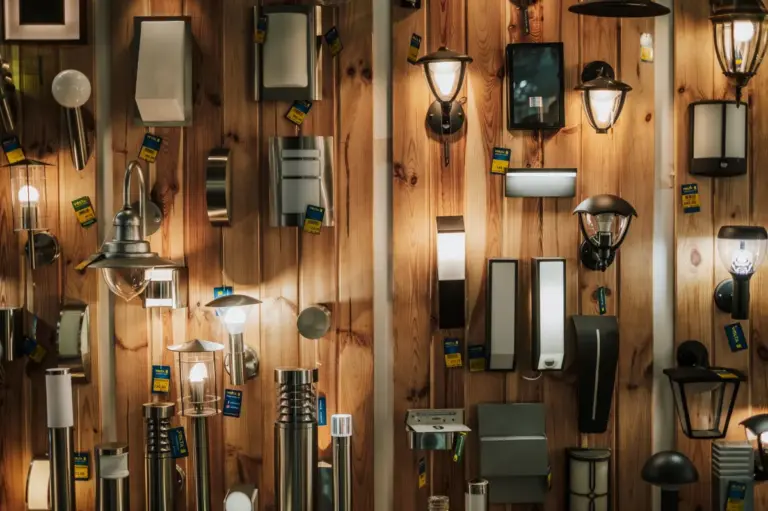
Selecting appropriate hardware requires understanding the functional niche of each fixture type. Path lights guide foot traffic safely, while well lights recess into grade to project illumination upward into canopies. Spotlights offer narrow beam angles for distant targets, and floodlights spread wide beams across large walls or broad shrubbery. Step lights integrate directly into vertical risers to prevent tripping hazards, and underwater fixtures illuminate ponds and fountains with waterproof seals.
| Fixture Category | Primary Application | Typical Beam Spread | Main Design Consideration |
| Path Lights | Walkways and borders | 180 to 360 degrees | Glare control and spacing |
| Uplights / Spotlights | Trees and architectural walls | 12 to 60 degrees | Target distance and wattage |
| Well Lights | Grade-level plant beds | 30 to 90 degrees | Drainage and debris buildup |
| Step Lights | Staircases and retaining walls | 120 degrees horizontal | Mounting height and spacing |
| Floodlights | Broad walls and security zones | 90 to 120 degrees | Shielding to prevent light spill |
| Underwater Units | Ponds and water features | Varies by lens | Submersion depth and seals |
Decision Logic for Hardware Selection
Choosing between these categories depends on structural constraints, plant types, and desired atmosphere. Narrow beam spotlights work best for slender evergreens, whereas wider wash lights suit broad canopy trees. Path lights should be staggered rather than placed in rigid parallel lines to create a more organic visual rhythm along walkways.
Detailed Real-World Scenarios Best exterior lighting for gardens
Scenario A: Sloped Residential Hillside
A terraced garden on a steep incline presents severe erosion risks and complex navigation challenges. Integrating the best exterior lighting for gardens in this context requires combining low-profile step lights along retaining walls with carefully angled downlights mounted on mature trees above. This setup illuminates elevation changes without blinding guests walking up or down the slope, while avoiding exposed wiring that could become dislodged during heavy rainfall.
Scenario B: Urban Courtyard with Dense Foliage
Small city courtyards often suffer from cramped perimeters and dense shading from surrounding structures. Designers must utilize compact well lights and slim linear fixtures tucked behind planter boxes. This approach maximizes perceived space by washing boundary walls with warm illumination, drawing the eye outward and creating an illusion of depth within a confined perimeter.
Scenario C: Waterfront Estate Exposed to Salt Spray
Coastal properties demand marine-grade materials such as solid brass or 316 stainless steel to prevent rapid corrosion from saline air and moisture. Aluminum fixtures quickly pit and fail in these environments. Wiring must feature gel-filled waterproof wire nuts and heat-shrink tubing to seal electrical connections against persistent humidity and saltwater intrusion.
Scenario D: Extensive Rural Property with Wildlife Concerns
Large rural lots require careful management of light spill to protect local nocturnal wildlife. Using fully shielded luminaires directed strictly downward prevents light pollution into the night sky. Motion sensors paired with low-output amber LEDs ensure security without constantly disrupting local bat populations and migrating birds.
Planning, Cost, and Resource Dynamics
Executing a robust landscape lighting installation requires balancing upfront equipment purchases against long-term maintenance savings. High-grade brass and copper fixtures carry steep initial price tags, but their corrosion resistance ensures decades of reliable performance. Cheap plastic or cast-aluminum alternatives degrade within a few seasons, necessitating frequent replacements and recurring labor expenses.
| Expense Category | Low-End Estimate | Mid-Range Estimate | Premium Implementation |
| Fixture Quality | Aluminum or composite | Powder-coated brass | Solid brass / copper |
| Transformer Tier | Basic mechanical timer | Multi-tap magnetic | Smart multi-zone hub |
| Wiring and Connectors | Standard PVC direct bury | Heavy-gauge stranded copper | Gel-filled waterproof hubs |
| Professional Labor | DIY installation | Regional contractor | Specialized landscape architect |
Opportunity Costs and Resource Allocation
Investing in a multi-tap magnetic transformer rather than an electronic model prevents voltage drop across long wire runs, ensuring consistent diode brightness across every zone. While initial costs rise, the elimination of premature driver failures justifies the expenditure. Budgeting must also account for future plant growth, leaving capacity on the transformer for subsequent lighting expansions.
Tools, Strategies, and Support Systems Best exterior lighting for gardens
Photometric Measurement Tools
Professional installations utilize light meters to verify foot-candle levels along pathways and entertaining zones. These instruments ensure that illumination meets safety standards without creating excessive glare that impairs night vision.
Low-Voltage Transformers and Multi-Tap Units
Transformers convert standard household line voltage down to safe operating voltages. Multi-tap units offer 12-volt through 15-volt outputs, compensating for voltage drop over extended cable lengths to maintain uniform brightness across all connected fixtures.
Heavy-Gauge Direct-Burial Wire
Using thick copper cabling minimizes resistance losses over long distances. Standard residential lamp cord rots quickly underground, making direct-burial cable mandatory for longevity.
Waterproof Connectors and Gel Hubs
Moisture is the primary enemy of outdoor electrical circuits. Silicone-filled wire nuts and waterproof junction boxes prevent water migration into splices, stopping ground faults before they trip breakers.
Smart Automation and Astronomical Timers
Modern systems integrate astronomical timers that adjust dusk-to-dawn schedules automatically based on latitude and longitude, eliminating the need for manual clock adjustments throughout the year.
Thermal Management Enclosures
Quality fixtures incorporate engineered heat sinks that pull thermal energy away from semiconductor diodes, preventing premature lumen depreciation and color shifting.
Risk Landscape and Failure Modes
Moisture Ingress and Ground Faults
Water penetration through cracked lens seals or compromised wire splices creates short circuits that trip system breakers. Preventing this requires rigorous adherence to waterproof connection protocols and regular inspection of fixture gaskets.
Voltage Drop and Diode Flickering
When wire runs exceed recommended lengths without adequate gauge scaling, distant fixtures receive reduced voltage, causing dim output and noticeable color shifting. Calculating total wattage loads against cable resistance prevents this degradation.
Vegetative Overgrowth and Thermal Traps
Rapid plant growth can envelop fixtures, blocking light output and trapping heat against sealed housings. This thermal buildup degrades internal electronic drivers and shortens operational lifespans significantly.
Mechanical Damage from Maintenance Equipment
String trimmers and lawn mowers frequently strike exposed or poorly buried fixtures and cables. Proper trench depth and protective mounting stakes mitigate these operational hazards.
Governance, Maintenance, and Long-Term Adaptation
Maintaining optimal performance requires structured seasonal checkups. Technicians should inspect wiring runs, clear debris from well lights, and adjust fixture angles to accommodate plant maturation. Trimming back foliage prevents blocked beam paths and preserves the intended visual hierarchy established during initial design.
Review cycles should occur biannually, ideally during seasonal shifts when foliage density changes. Adjusting transformer output taps or replacing aging LED modules ensures that the installation continues operating at peak efficiency. Documenting circuit loads and fixture types in a centralized maintenance log simplifies troubleshooting when individual components require replacement.
Measurement, Tracking, and Evaluation
Assessing the success of a lighting installation involves tracking both quantitative metrics and qualitative indicators. Quantitative measures include voltage readings at the furthest fixture run, ensuring readings remain within the optimal operating window. Qualitative signals involve evaluating shadow softness, glare reduction, and whether focal points retain their intended visual weight after dark.
Documenting system performance requires maintaining precise site plans that detail cable routing, wattage draws per zone, and transformer tap locations. Keeping photographic records across different seasons helps identify areas where foliage growth obstructs beams or where additional fixtures are necessary to fill dark voids.
Common Misconceptions and Oversimplifications
Myth: Higher Wattage Always Equals Better Visibility
Many property owners assume that brighter bulbs improve safety. In practice, excessive brightness creates harsh glare and deep shadows that obscure potential hazards rather than revealing them.
Myth: Solar Fixtures Provide Adequate Year-Round Illumination
Inexpensive solar stakes store insufficient energy during overcast winter months, resulting in dim, flickering light or complete failure when illumination is needed most.
Myth: All Outdoor Lighting Requires Professional Electrician Installation
Because low-voltage systems operate below hazardous voltage thresholds, many installations can be managed safely by property owners, provided basic electrical principles and wire sizing rules are followed.
Myth: Light Fixtures Can Be Placed Anywhere Without Maintenance Access
Burying well lights or positioning spotlights deep within dense shrubbery without access paths guarantees that maintenance will be neglected, leading to premature hardware failure.
Myth: Color Temperature Does Not Impact Local Ecosystems
Using cool white or blue-spectrum light attracts insects aggressively and disrupts local wildlife behaviors, whereas warm color temperatures minimize environmental disturbance.
Ethical, Practical, and Contextual Considerations
Responsible property management extends beyond property lines. Unshielded luminaires project light upward and outward into neighboring yards and public spaces, contributing to regional light pollution. Selecting fully shielded fixtures directs photons exclusively where needed, preserving night skies and respecting community dark-sky standards.
Practical efficiency also dictates that systems should not run continuously throughout the night. Integrating motion sensors or astronomical timers ensures that illumination operates only when functional value is present, reducing energy consumption and minimizing ecological disruption during deep nocturnal hours.
Conclusion
Designing effective outdoor illumination requires a synthesis of technical precision, aesthetic restraint, and ecological awareness. When evaluating the best exterior lighting for gardens, property owners must look past superficial hardware aesthetics to prioritize robust electrical engineering, proper fixture placement, and long-term maintainability. Through careful layering of light sources and adherence to sound planning principles, exterior spaces transform into secure, inviting nocturnal environments that endure for decades.