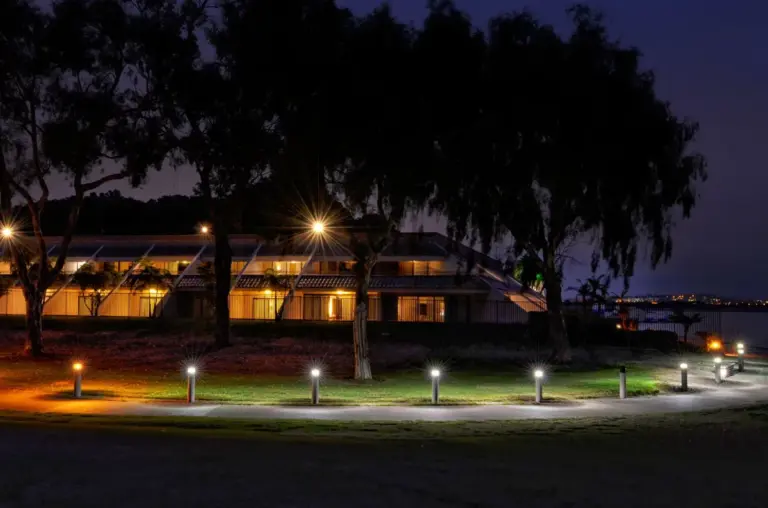
High End Exterior Lights America: Architectural Design and Engineering Standards
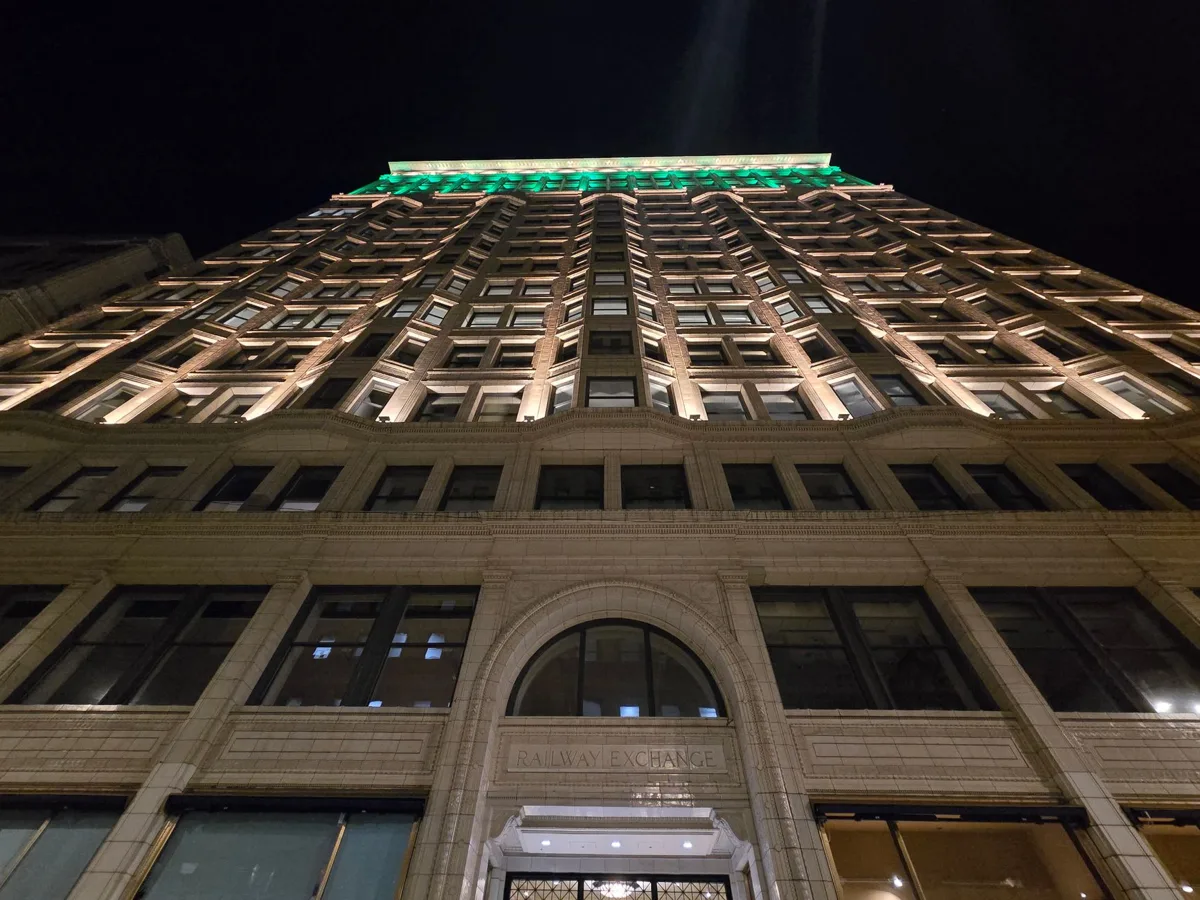
Architectural facades across the United States undergo constant weathering. High End Exterior Lights America. Buildings face extreme temperature shifts, salt air, and heavy moisture. Standard retail fixtures fail rapidly under these harsh environmental forces.
Engineers design premium exterior luminaires to withstand regional climate extremes. High-grade materials prevent corrosion and electrical degradation. Properties demand robust illumination infrastructure to maintain structural appeal.
Selecting exterior hardware requires deep technical analysis. Professionals evaluate thermal dissipation, voltage drops, and optical distribution patterns. Poor planning leads to premature equipment failure and unwanted glare.
Understanding “high end exterior lights america”
Mastering the engineering principles behind high end exterior lights america projects demand requires looking past surface aesthetics. Many buyers equate high purchase prices with absolute durability. Vital performance factors often get ignored during procurement.
Thermal Management and Driver Longevity
Internal semiconductor components generate significant heat during operation. Without proper heat sinks, junction temperatures rise quickly. Excessive heat degrades lumen output and shifts color rendering.
Seal Integrity and Water Ingress
Moisture represents the primary enemy of exterior electrical systems. Gaskets must resist ozone degradation and UV exposure. High-tier manufacturers utilize marine-grade silicone potting to protect internal drivers.
Deep Contextual Background
Historical Evolution of Exterior Illumination
Mid-century architecture relied on simple incandescent fixtures. These legacy systems wasted vast amounts of electrical energy. Bulb replacements occurred frequently due to weather infiltration.
The Solid-State Revolution
Semiconductor diodes transformed exterior design completely. Energy consumption dropped dramatically while spectral control improved. Networked controls now allow dynamic scheduling across extensive properties.
Conceptual Frameworks and Mental Models
The Layered Illumination Hierarchy
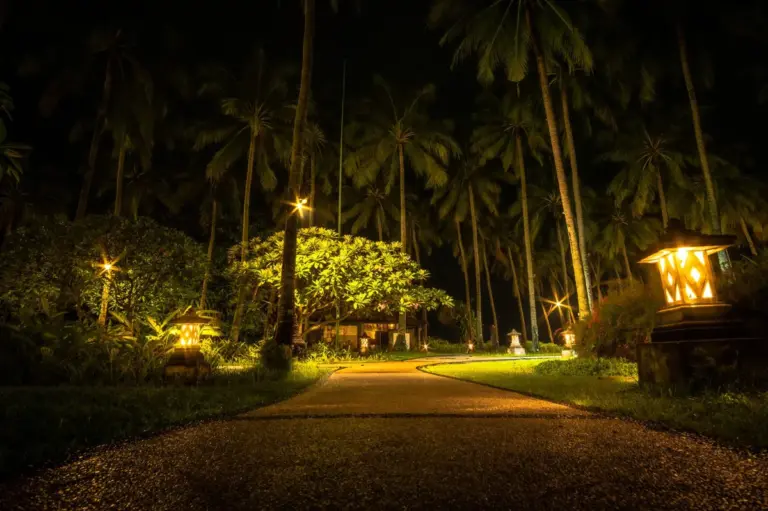
Effective design employs ambient, task, and accent layers. Ambient lighting establishes spatial boundaries safely. Accent lighting highlights architectural masonry and fine plantings.
The Ingress Vector Model
Hardware vulnerability is evaluated across three primary axes. Solid particle intrusion, liquid moisture immersion, and chemical corrosion dictate specifications. Ingress ratings must match site realities.
Key Categories or Variations
Major Exterior Luminaire Classifications
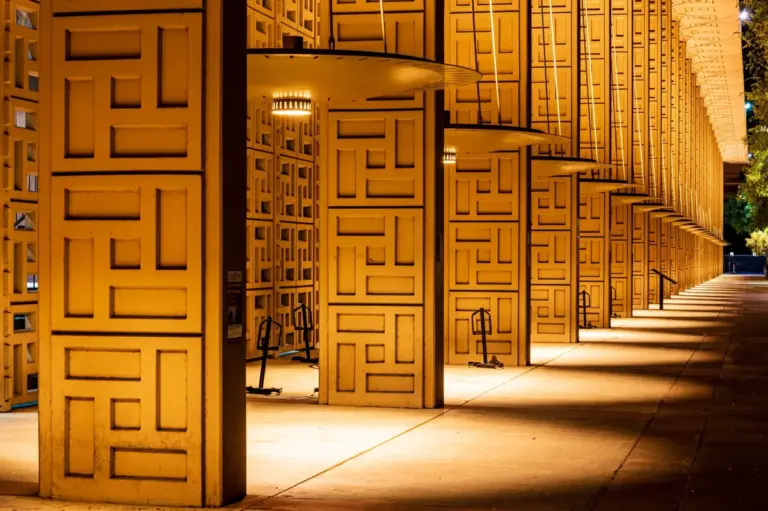
Modern projects incorporate specialized hardware categories. Linear grazers accentuate vertical stone relief. Recessed uplights project columns of light upward.
Comparison Matrix of Fixture Categories
| Fixture Category | Primary Application | Ingress Rating | Typical Lifespan |
| Linear Grazers | Masonry texturing | IP66 / IP67 | 50,000 Hours |
| In-Grade Uplights | Structural columns | IP67 / IP68 | 40,000 Hours |
| Concealed Soffits | Overhangs | IP65 / IP66 | 60,000 Hours |
| Projector Spots | Focal points | IP66 | 50,000 Hours |
Hardware Selection Logic
Specifiers weigh structural load ratings and climate severity. Coastal locations require cast bronze or marine-grade stainless steel. Desert locations demand high-temperature driver tolerances. These choices define successful implementations of high end exterior lights america assets.
Detailed Real-World Scenarios High End Exterior Lights America
Coastal Florida High-Rise
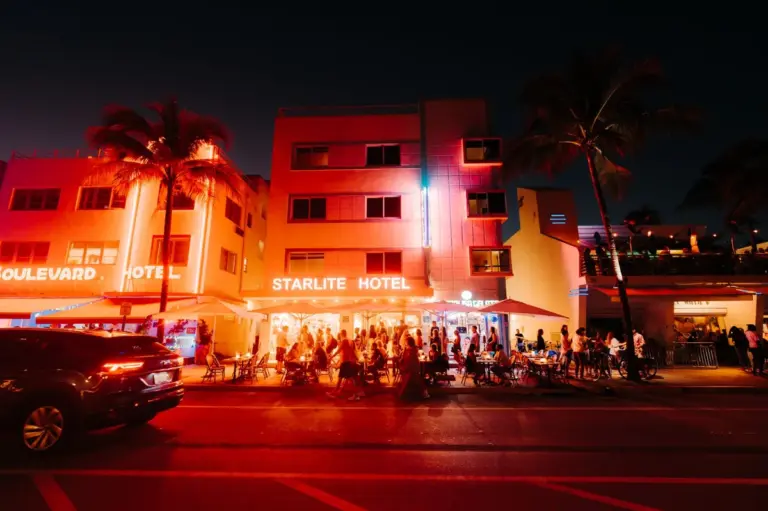
A beachfront property faces severe salt fog and high humidity. Standard aluminum housings oxidize within months. Engineers replace them with cast bronze luminaires and sealed wiring harnesses.
Mountain Retreat in Colorado
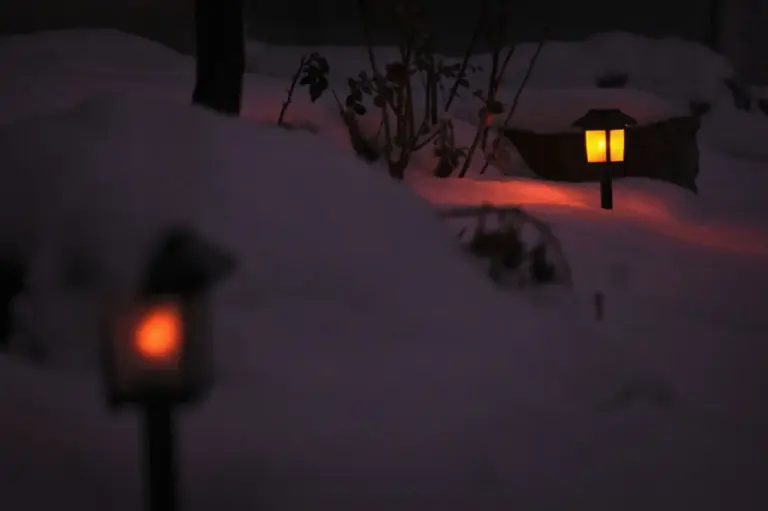
Alpine properties endure sub-zero temperatures and frost heave. Rigid conduits crack under soil movement. Flexible silicone-jacketed cabling resolves these physical challenges.
Planning, Cost, and Resource Dynamics
Direct Versus Indirect Financial Outlays
Initial capital expenses for commercial-grade equipment exceed retail budgets. However, frequent service calls accumulate heavy financial penalties. Lifecycle analysis favors robust upfront engineering.
Financial Allocation Matrix
-
Low Tier: $15,000 to $40,000 | Standard wall packs and basic photocells.
-
Mid Tier: $40,000 to $120,000 | Architectural grazers and zoned dimming.
-
High Tier: $120,000 to $350,000+ | Custom luminaires and addressable control networks.
Tools, Strategies, and Support Systems
Essential Diagnostic Instruments
Technicians utilize specific measurement devices during installation. True RMS multimeters measure low-voltage drop accurately. Thermal imaging cameras evaluate driver compartment temperatures.
Operational Strategies
Pre-burial cable testing prevents underground faults. Gel-filled waterproof connectors ensure absolute watertightness. Regular audits preserve optimal system performance.
Risk Landscape and Failure Modes
Compounding Systemic Hazards
Moisture infiltration in exterior junction boxes triggers short circuits. A single compromised splice can disable entire zones. Proper sealing protects sensitive electronics.
Thermal Runaway Risks
Enclosing high-wattage modules without ventilation causes rapid degradation. Elevated temperatures shorten diode lifespans drastically. Proper clearances prevent these failures.
Governance, Maintenance, and Long-Term Adaptation
Audit Cycles and Review Protocols
Scheduled seasonal inspections ensure long-term operational integrity. Teams test transformer output voltages biannually. Debris removal prevents water pooling in housing recesses.
Adaptation Strategies for Evolving Sites
Property layouts shift over time. Adjustable mounting stems allow coverage adjustments. Preserving design intent across high end exterior lights america installations requires this flexibility.
Measurement, Tracking, and Evaluation High End Exterior Lights America
Quantitative and Qualitative Metrics
Performance tracking relies on measurable electrical data. Teams record operating voltages and failure frequencies. Visual evaluations confirm aesthetic consistency.
Documentation Frameworks
As-built documentation aids long-term management. Technicians record underground routing maps and transformer settings. Accurate records streamline future maintenance tasks.
Common Misconceptions and Oversimplifications
The Universal Ingress Protection Myth
An IP65 rating does not guarantee total resistance. Harsh environments require IP67 or IP68 protection.
The Maintenance-Free Fallacy
Solid-state lighting still requires physical upkeep. Lens surfaces accumulate organic debris and mineral scale over time.
Ethical, Practical, and Contextual Considerations
Ecological Preservation and Dark-Sky Compliance
Artificial lighting disrupts nocturnal ecosystems. Sustainable practices align aesthetic goals with dark-sky guidelines. Modern standards for high end exterior lights america deployments demand precise optical cutoffs and shielded fixtures.
Conclusion
Designing elite exterior illumination requires strict attention to electrical physics and material science. Successful engineering relies on disciplined installation standards. Thorough planning guarantees lasting performance for properties utilizing high end exterior lights america specifications.